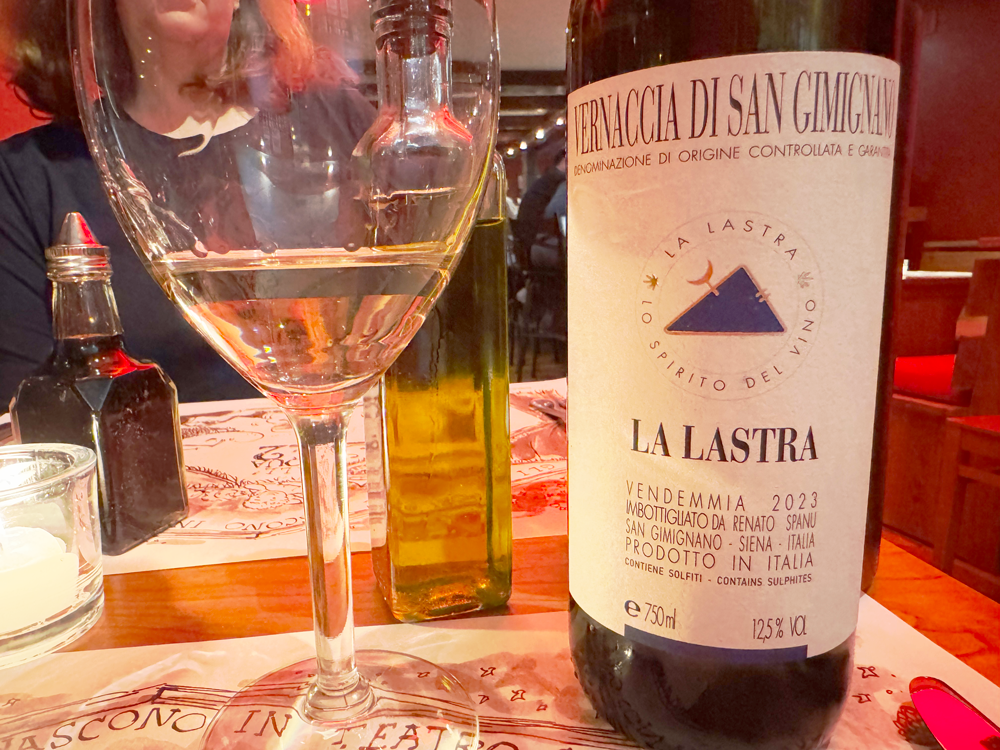
La Lastra Vernaccia di San Gimignano 2023
Renato makes very good, moderately priced wines from native grapes such as Vernaccia, Canaiolo Nero, and Sangiovese. We particularly enjoyed the Vernaccia di San Gimignano.
Read moreItaly
Renato makes very good, moderately priced wines from native grapes such as Vernaccia, Canaiolo Nero, and Sangiovese. We particularly enjoyed the Vernaccia di San Gimignano.
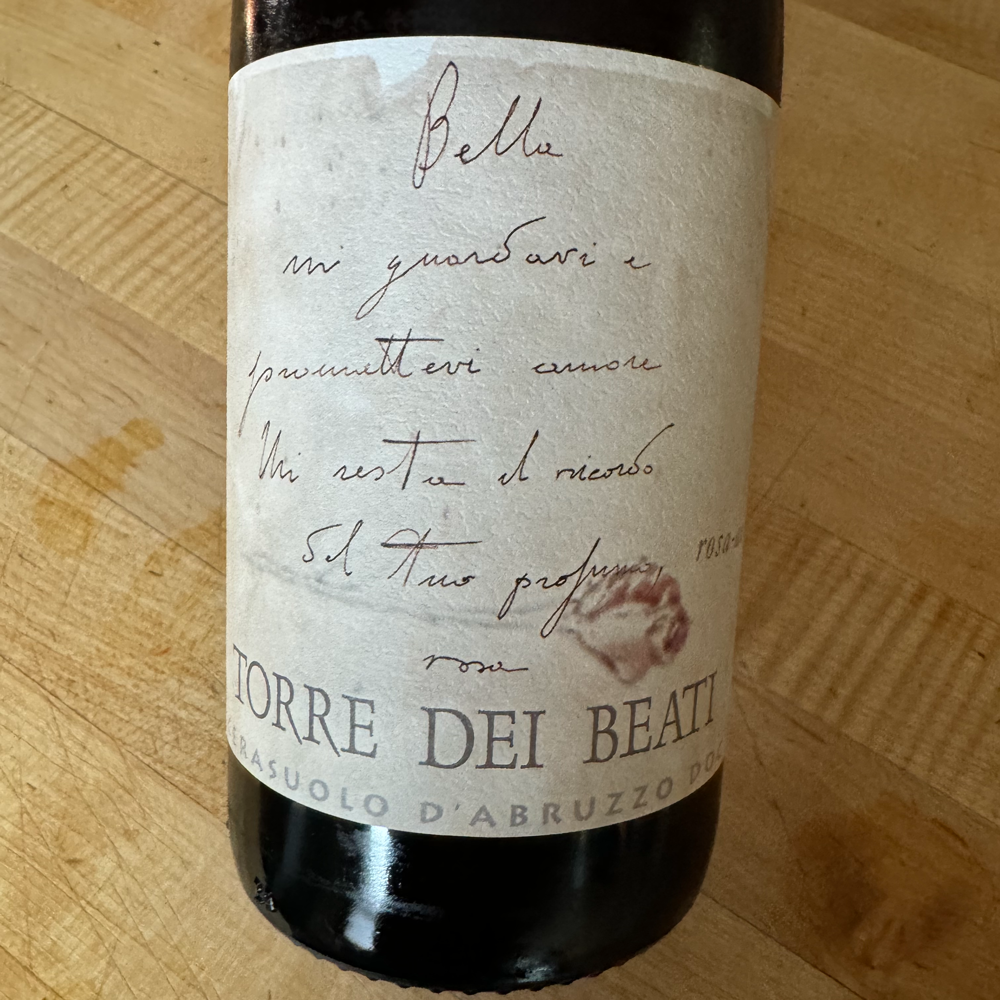
Read moreTorre dei Beati, named after a detail in a 14th-century fresco at the local church of S. Maria in Piano, symbolizes the “Tower of the Blessed” – the ultimate destination for souls striving for eternal peace after facing many trials.
Read moreAlthough often referred to as Gavi due to its Piedmont origins, traditional Gavi is predominantly made from the Cortese grape.
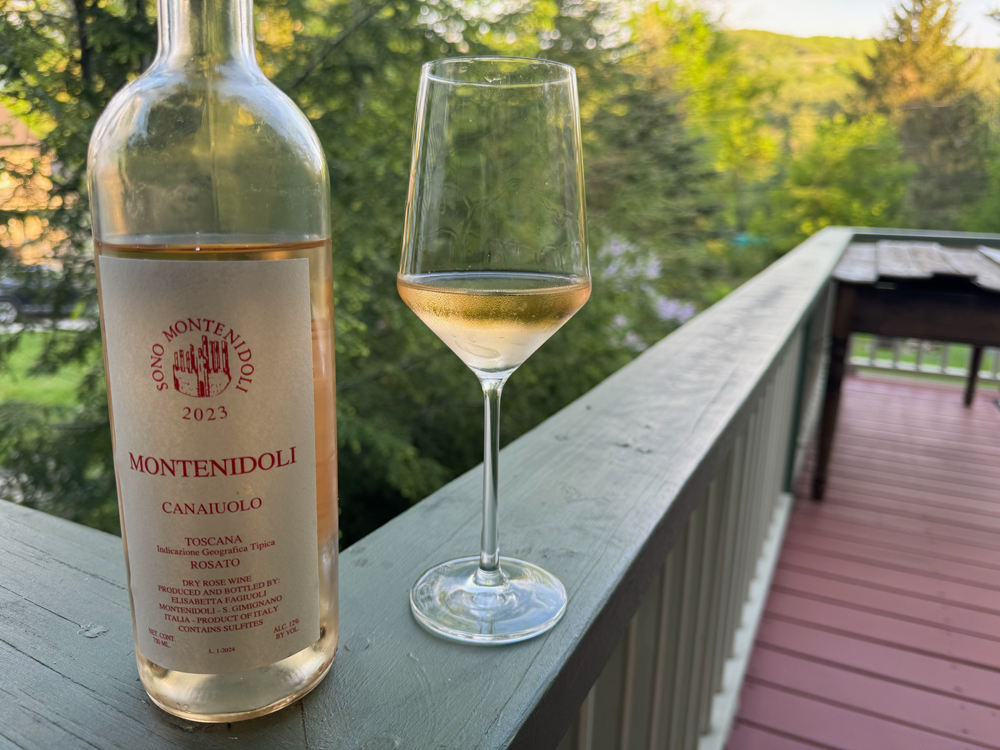
Read moreDuring the Quaternary period, the Ligurian Sea covered the valleys of this part of Tuscany with shallow, calm waters, creating an ideal environment for the growth of crustaceans and mollusks. These creatures were the first inhabitants of Montenidoli, leaving behind a precious heritage.
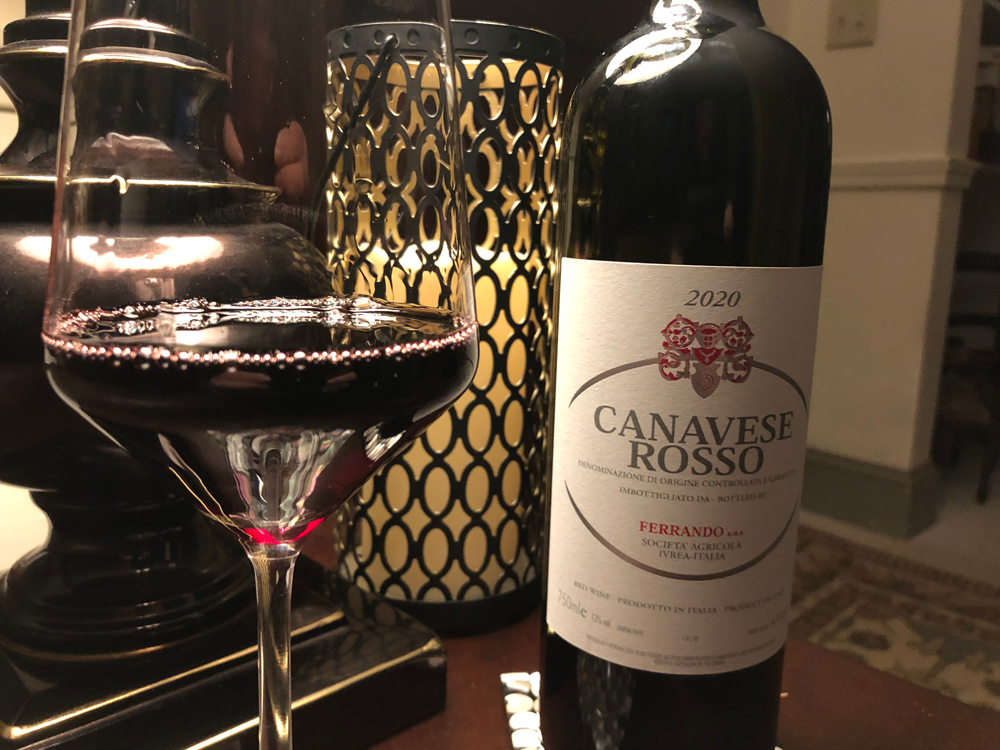
Read moreLuigi Ferrando has long stood as the foremost producer of wines from the Canavese region, where his family’s winemaking legacy dates back to 1900. With meticulous care, the Ferrandos tend to their Nebbiolo vineyards nestled on the mountainside terroir of Carema, forming an amphitheater shadowed by the imposing Monte Bianco.
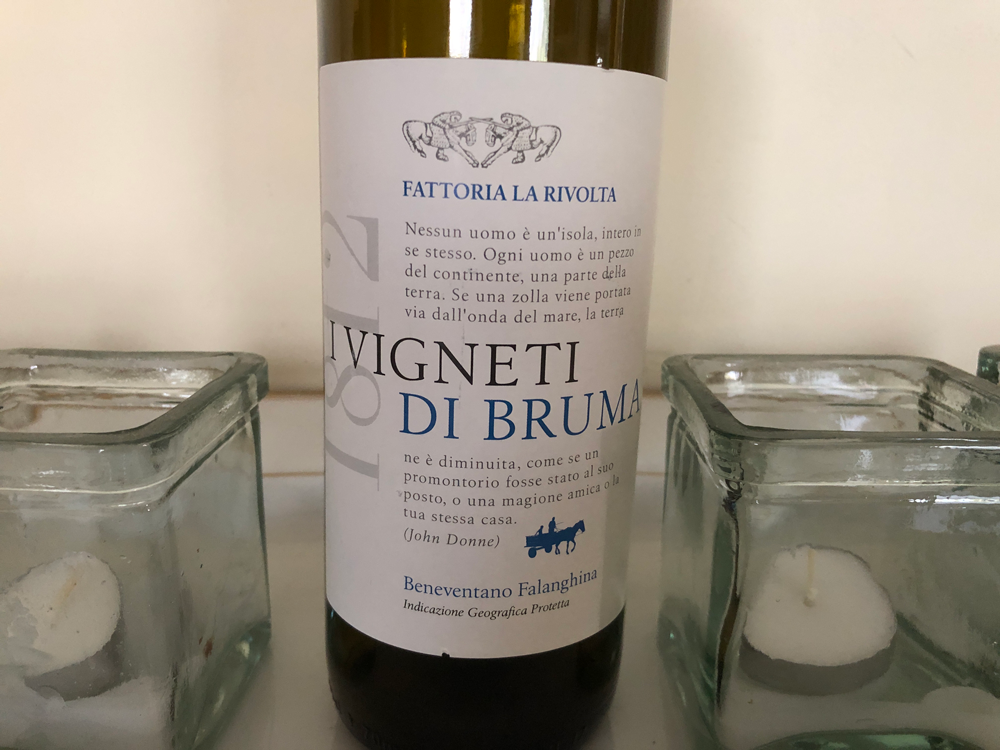
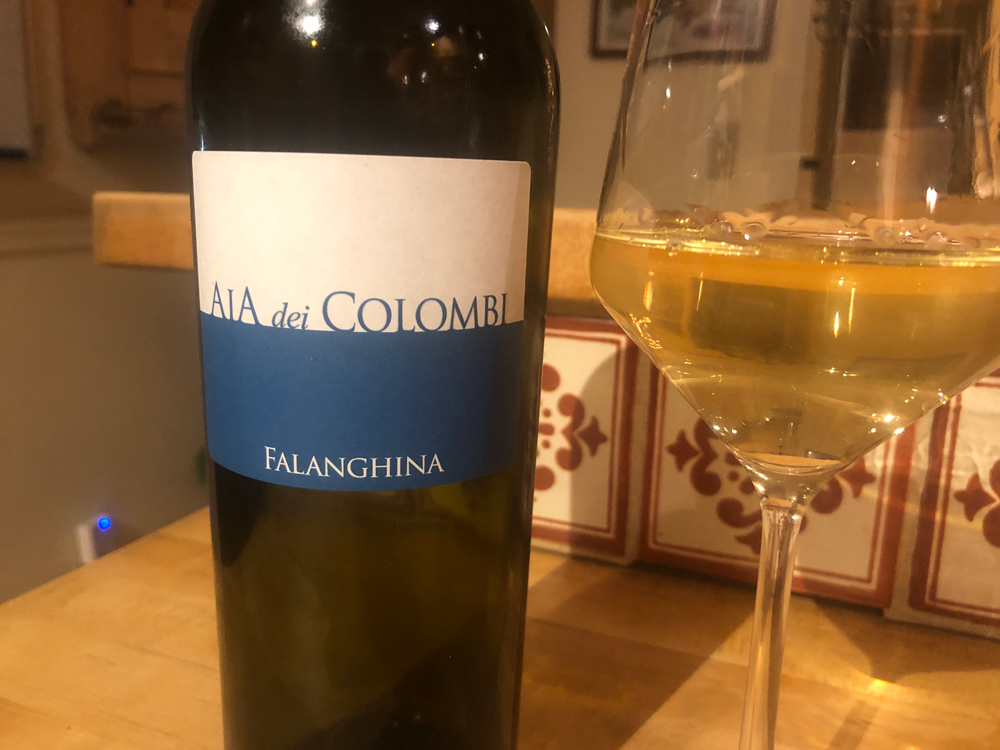
Read moreI’ve been exploring various producers’ Falanghina lately. It’s a great alternative to Sauvignon Blanc and consistently surpasses Pinot Grigio. This La Rivolta Vigneti was particularly enjoyable and reasonably priced.
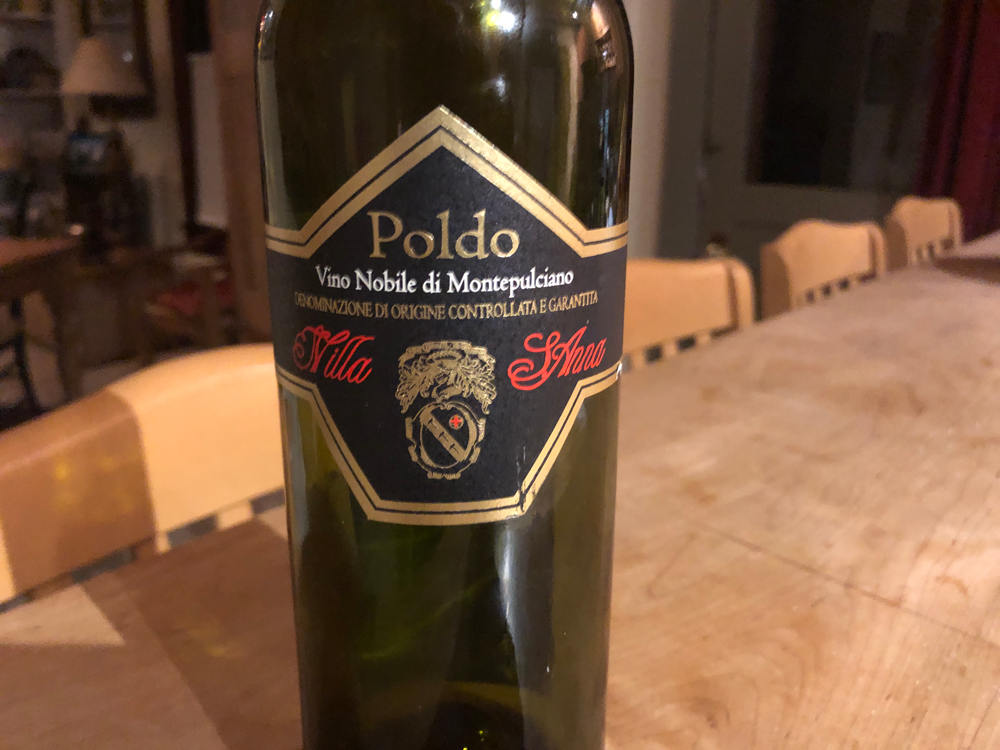
Read moreI the purchased this wine (as well as others) during our visit to the Villa in 2017. We had the distinct pleasure of having a private wine tasting with the owner, Simona Ruggeri Fabroni arranged for us by my friend Neal Rosenthal.
Read moreFalanghina, an ancient white varietal, flourishes in the Campania region, encompassing the area surrounding and east of Naples. Historically, this white wine has been the perfect companion to the exceptional seafood found in the region.
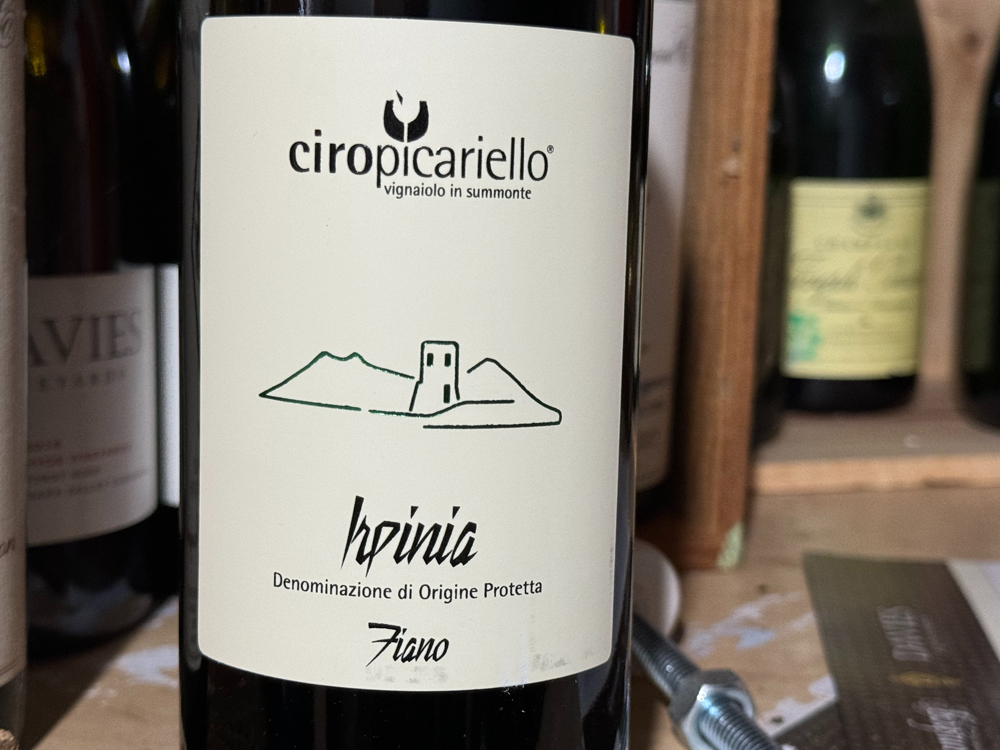
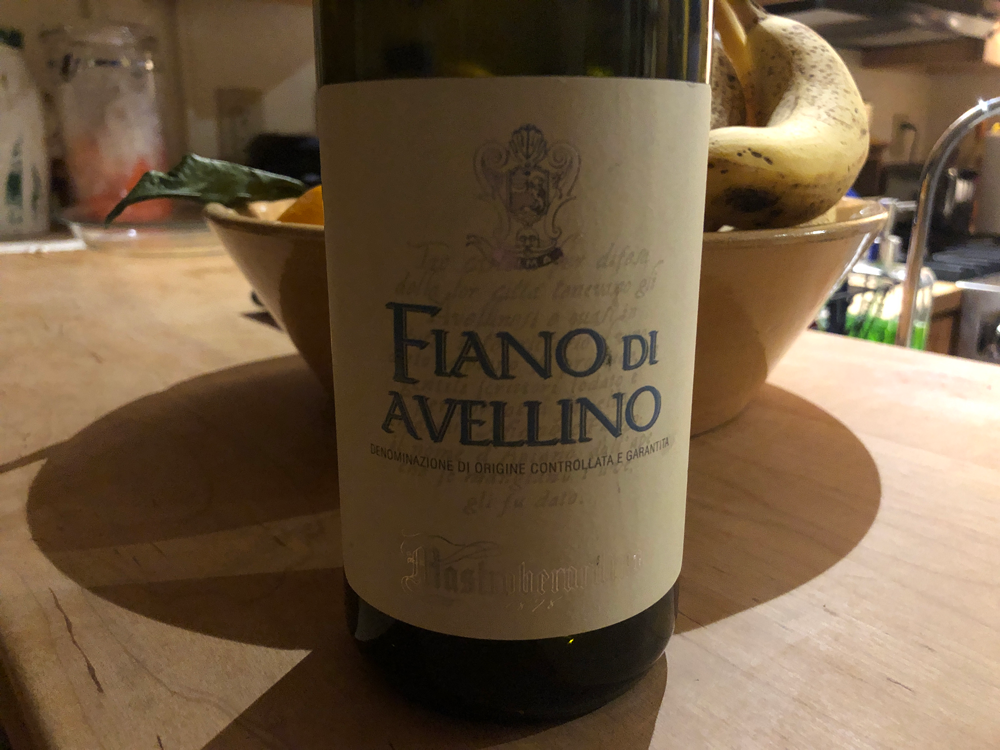
Read moreAn almost forgotten varietal in the ancient region of Irpinia, Fiano, originally known as apiana, earned its name due to its sweet berries being a magnet for bees. Traditionally grown near hazelnut orchards, the grape’s flavor profile seems to bear the influence of its surroundings.
Read moreI’ve recently explored the Joaquin grape variety and wanted to delve into other winemakers who use the same grape. This Fiano is both intense and elegant.
Read moreAccording to DOC wine law, Erbaluce may only give its name to a label when grown in the Canavese. The grape comes from the North of Italy.
Read moreThis wine, a blend of 90% Sangiovese and 10% of a combination of Colorino, Canaiolo, and Ciliegiolo, epitomizes the quintessential Chianti Classico from Castellina in Chianti.
Read more